
What Happens When Schools are Built with Students: Reflections from Education Leaders on the Ground
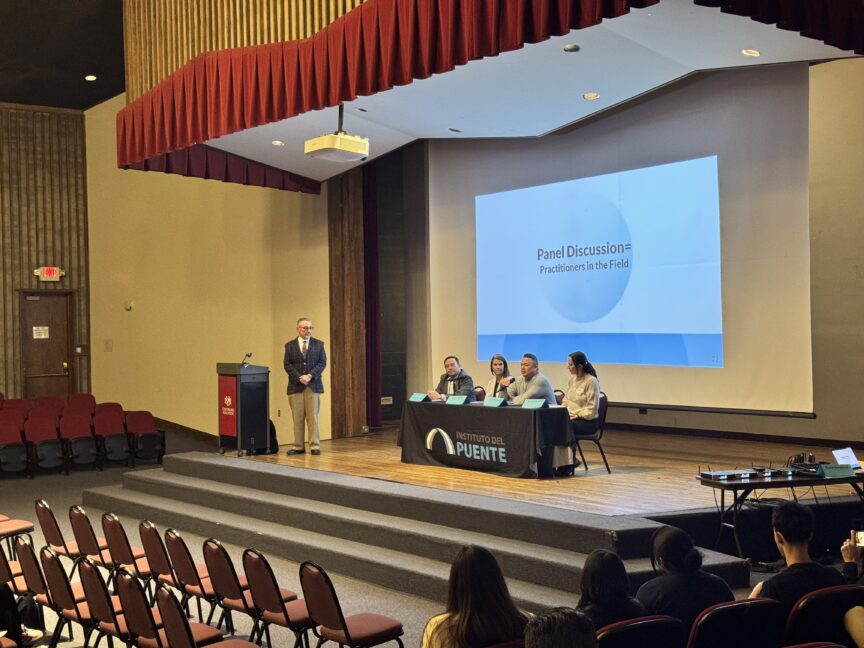
At Instituto del Puente, we partner with education leaders who are willing to reimagine what school can look like when it is rooted in the lived experiences, needs, and aspirations of young people. As new initiatives take shape, we look for clear indicators that we are on the right path: Do students feel hopeful? Is the model working—and can it grow? And does it create opportunities for deeper partnerships that expand what’s possible for schools and communities?
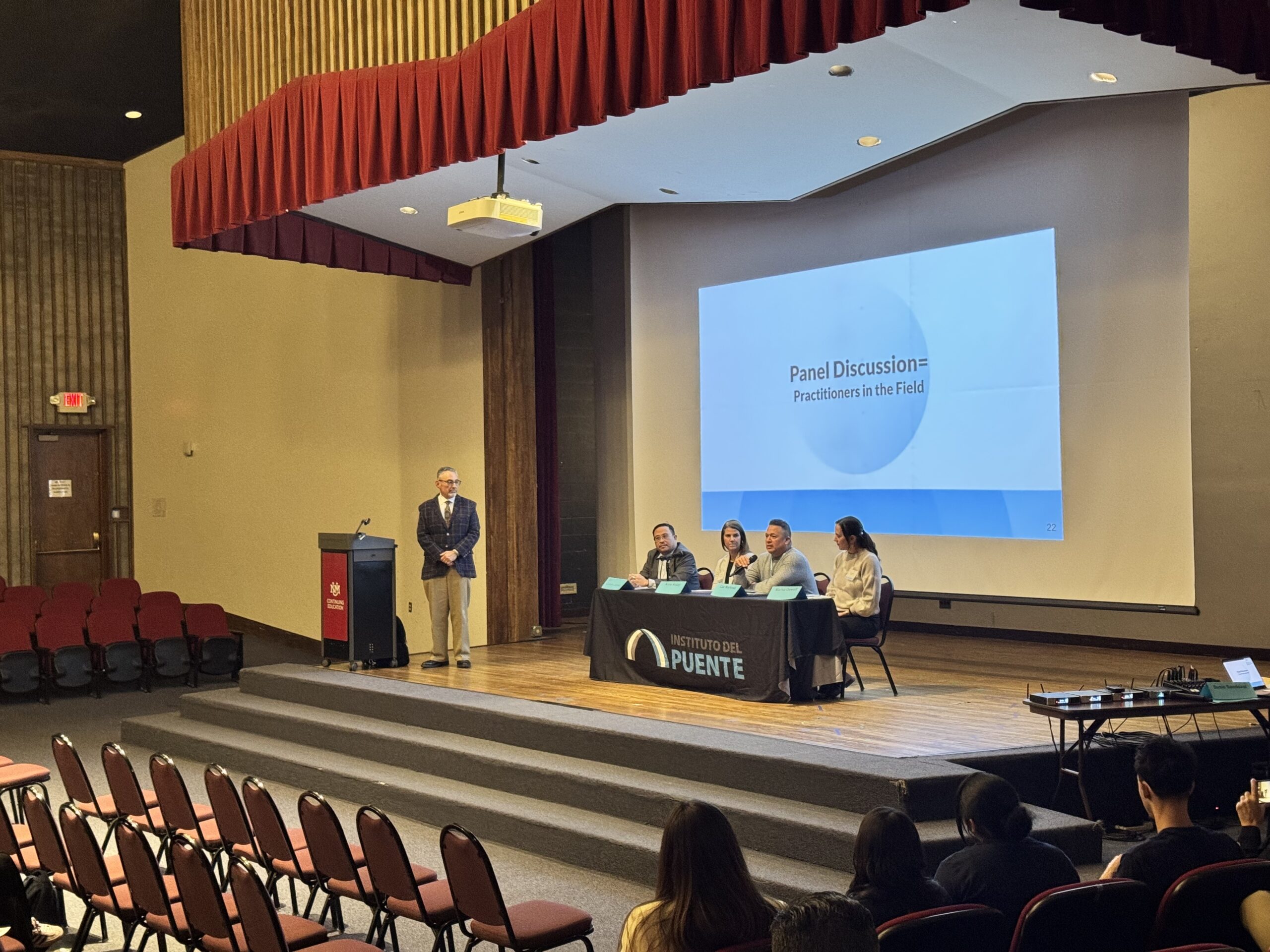
We talked to education leaders around the state who are implementing re-engagement programs, internship programs, Career and Technical Education (CTE) pathway programs, and behavioral health supports. We asked them a shared set of questions to better understand their needs and the needs of their students ahead of this legislative session.
Their responses affirmed the importance of our unique approach and the urgency of this moment while also giving helpful suggestions for how all of us can do our part to make these policies a reality.
When did you first feel this program could make a difference?
For many leaders, the turning point was student enthusiasm—especially from young people who had previously been disengaged from school.
Caz Martinez, Principal at Sendero Prep in Las Cruces, described his students voluntarily giving up lunch periods to work on credit recovery, digital portfolios, and professional communication skills alongside teachers who did the same. What stood out wasn’t just participation, but follow-through. Students in the GRIP program at Sendero Prep have been sending professional emails, meeting expectations, and showing a level of accountability that he hadn’t seen before.
“We had never seen the students follow through like that before, said Martinez. “They are excited!”
The excitement is also high among students in Alamogordo, according to Anna Alday, Career and Technical Education Director at Alamogordo Public Schools.
“When I set up our program and identified the interns who would be participating, the excitement from the students was beyond what I can describe,” said Alday.
Marisa DeWolf, from Ngage New Mexico, pointed to student exhibitions and presentations from their internships as moments of transformation. Students who were initially quiet and hesitant ended the internship program confidently presenting their growth to peers, and educators.
“A student who was working on his verbal skills as a goal gave an incredible presentation that showed how much he had grown by the end of the program,” said DeWolf.
According to Dr. Eudore Camata, Superintendent of Jemez Valley Public Schools, unscripted student presentations to a local school board led directly to increased buy-in—and ultimately to the integration of behavioral health into the school’s strategic plan.
“Now we have a strategic plan that includes behavioral health,” explained Dr. Camata. “The board now has a vested interest in the program thanks to the influence of the students.”
If you could change one thing in the school system, what would it be?
These education leaders called for flexibility in scheduling, funding, and instructional models.
They emphasized the need to meet individual students where they are, rather than forcing students to conform to rigid systems. This includes competency-based approaches that move away from classroom time, credit for internships that align with graduation requirements, and schedules that allow students to balance school, work, and family responsibilities.
“We need to make sure that the needs of the individual students are met and to create the flexibility to serve each student instead of making the students fit into the programs that are offered,” said Martinez.
Leaders also highlighted the importance of real-world learning and community connection. Internships and partnerships give students meaningful opportunities to interact with adults, explore careers, and build interpersonal skills—experiences students are actively asking for.
“When students are engaging with adults they are learning in a real life way about jobs,” explained DeWolf. “They are begging for an interpersonal human experience with adults.”
Equally critical was funding flexibility. Leaders described the challenges of siloed funding streams and called for greater autonomy to braid grant and operating funds in ways that best serve their local context. Mental health staffing—both for direct services and case management—was also identified as essential infrastructure, not an add-on.
“We need to hire mental health providers for case management and direct services for all of our students,” explained Dr. Camata.
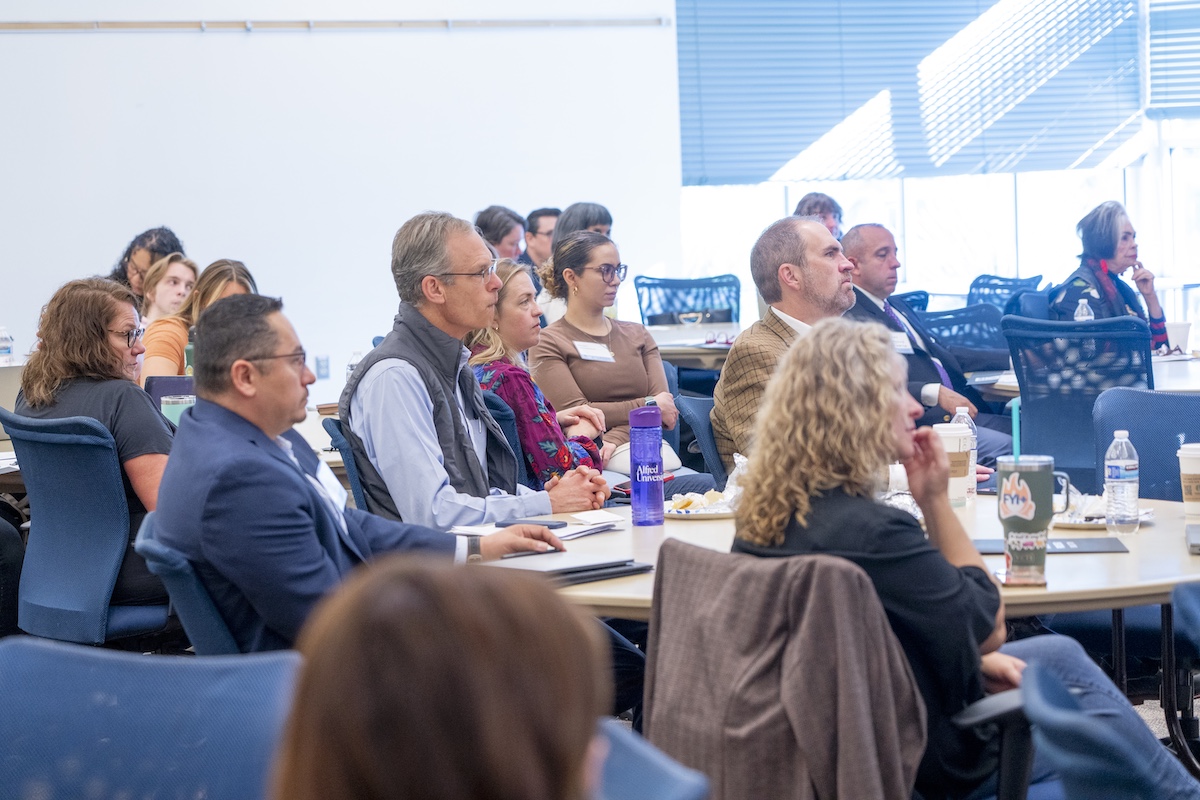
What would you ask of adults in positions of power?
The group urged educators, policymakers, and administrators to approach this moment with openness and intentionality.
They asked educators to move beyond traditional definitions of schooling and to build capacity for hands-on, student-centered learning. Policymakers were encouraged to create flexible systems that recognize the diversity of students and communities across New Mexico, rather than relying on one-size-fits-all solutions.
“Students need hands-on, relevant, and meaningful experience,” said DeWolf. “It's up to the system to figure out how to evaluate it and give credit for graduation. Also, it’s really important to help teachers learn how to teach this way and support students.”
Several leaders stressed the importance of clarity and stability in program design—clear goals, clear expectations, and policies that adapt to real conditions.
“It’s important that programs are clearly developed before they are pushed out to districts and don’t change expectations but instead adapt to the changing circumstances in the field,” said Alday.
Dr. Camata called for a stronger commitment to school-based mental health services, including transportation, coordination, and workforce pathways for future providers.
“Young people in adolescence are vulnerable and just as important as pre-k. We also need funding for professional development and high school internship programs for the mental health pathways.”
What will stay with you from running this program?
What leaders said they will carry forward most is the change in students themselves.
They described renewed enthusiasm from students who had never been excited about school before, increases in confidence and self-advocacy, and a deeper sense of purpose among educators and administrators alike.
“It’s going to keep me and other educators in the building motivated to have options like this that meet kids' needs in the future,” said Martinez. “It energizes the administrators, teachers and everyone else because the level of engagement is so much higher with the students and it really shows how much they are capable of.”
Seeing students rise to rigorous expectations—and succeed—reaffirmed what is possible when systems are designed around young people’s full lives.
“We hear students say all the time, ‘We don’t want to be seen as numbers—we want to be seen as whole individuals,’” DeWolf reflected. “This program did that.”
Looking ahead
Education leaders were clear that programs like the Graduation Reengagement Internship Program (GRIP) are not just innovative options—they are, for many students, a final opportunity to re-engage with school and envision a productive future.
Dr. Camata called for expanded partnerships with organizations like Future Focused Education and sustained investment in paid internships. Alday advocated for post-graduation transition support to ensure students succeed beyond high school.
“I’d like for the state to consider helping our students after graduation with funding and support for their transition to make sure that they are successful,” explained Alday.
Just as importantly, these leaders emphasized that these partnerships helped them realize they were not alone—and that new solutions become possible when schools are supported to do this work well.
As New Mexico looks to the future, these people on the ground remind us that student-centered, community-connected approaches are not theoretical. They are already working—and with the right support, they can reach many more young people who are ready for school to finally work for them.
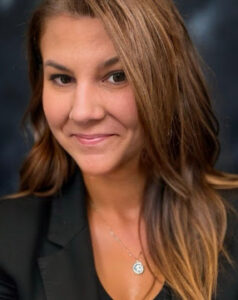
Anna Alday is the CTE Coordinator for the Alamogordo Public School District in Alamogordo, New Mexico. As the CTE Coordinator, she has built and enhanced 14 CTE pathways to align with industry standards, offering students relevant career certifications leading to high student achievement and positive economic development. She has also led the charge in creating and implementing sustainable, paid CTE and Work-Based Learning programs. Anna has won the New Mexico School Board Association Award for Excellence in Student Achievement and a local award from the Building Contractors Association of Otero County for positive economic contributions. With a strong commitment to student success and community growth, Anna continues to champion innovative educational strategies that bridge the gap between classroom learning and the workforce, ensuring that students are well-prepared to excel in their careers and make lasting impacts on the local economy.
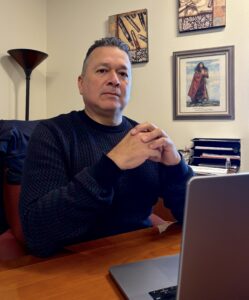
Caz Martinez has proudly served the Las Cruces community as an educator for more than 25 years, with experience as a teacher, athletic coach, and school administrator. He currently serves as the ten-year tenured Head Administrator at Sendero School of Academics and Career Preparation (Sendero Prep). Caz is a strong advocate for Career Technical Education (CTE) and has seen firsthand how meaningful, hands-on learning can open doors for students. He is passionate about expanding access to work-based learning, paid internships, and dual-credit opportunities that prepare students for high-wage, high-demand careers—especially for those furthest from opportunity across New Mexico.
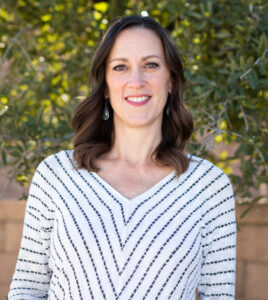
Marisa DeWolf is the Kinder-Career Coalition Coordinator at Ngage NM and the Success Partnership, where she coordinates with employers, school administrators, students, and community members to establish new career pathways or work-based learning opportunities. Marisa first came to live and work in Anthony, NM in 2002 as an AmeriCorps member. After her year of service, she moved to Las Cruces and began extending deep roots here, earning her Masters in Sociology from New Mexico State University and subsequently working and learning in the nonprofit sector. The birth of her daughter and Marisa’s years spent as an educator (middle school, ELA) impressed upon her the importance of wellness in community, which has been her personal and professional focus since.
Dr. Eudore Camata is the Superintendent of Jemez Valley Public Schools. He recently launched a new 5 year strategic plan that incorporates an emphasis on trauma responsive supports, mental health and student/family resources, etc. as well as an incorporation of paid internships for his students and reviving their graduate profile.